


A Culture Shaped by Centuries
Cambodian culture is one of the oldest and richest in Southeast Asia. Rooted in the great Khmer Empire that dominated the region from the 9th to the 15th century, it has been shaped by Hinduism, Theravada Buddhism, centuries of trade, colonial influence, and a painful 20th century — yet it has survived, adapted, and thrived.
Understanding Khmer culture is not just interesting — it fundamentally changes how you experience Cambodia.
────────────────────────────────────────────────────────────
Buddhism at the Heart of Daily Life
Over 95% of Cambodians are Theravada Buddhists, and religion is woven into every aspect of daily life. You'll see monks in saffron robes everywhere — at temples, on streets, in markets. Every morning, they walk barefoot through neighbourhoods collecting food offerings from local families.
Key Buddhist concepts you'll encounter in Cambodia:
Wats — Buddhist temples that serve as community centres, schools, and places of worship
Merit-making — acts of generosity (giving food to monks, releasing birds, making donations) that generate good karma
Karma — the belief that all actions have consequences, shaping present and future lives
Visiting a Cambodian temple (wat) is one of the most rewarding cultural experiences you can have. Dress respectfully (covered shoulders and knees), remove your shoes before entering, and take a moment to sit quietly.
────────────────────────────────────────────────────────────
Classical Khmer Dance
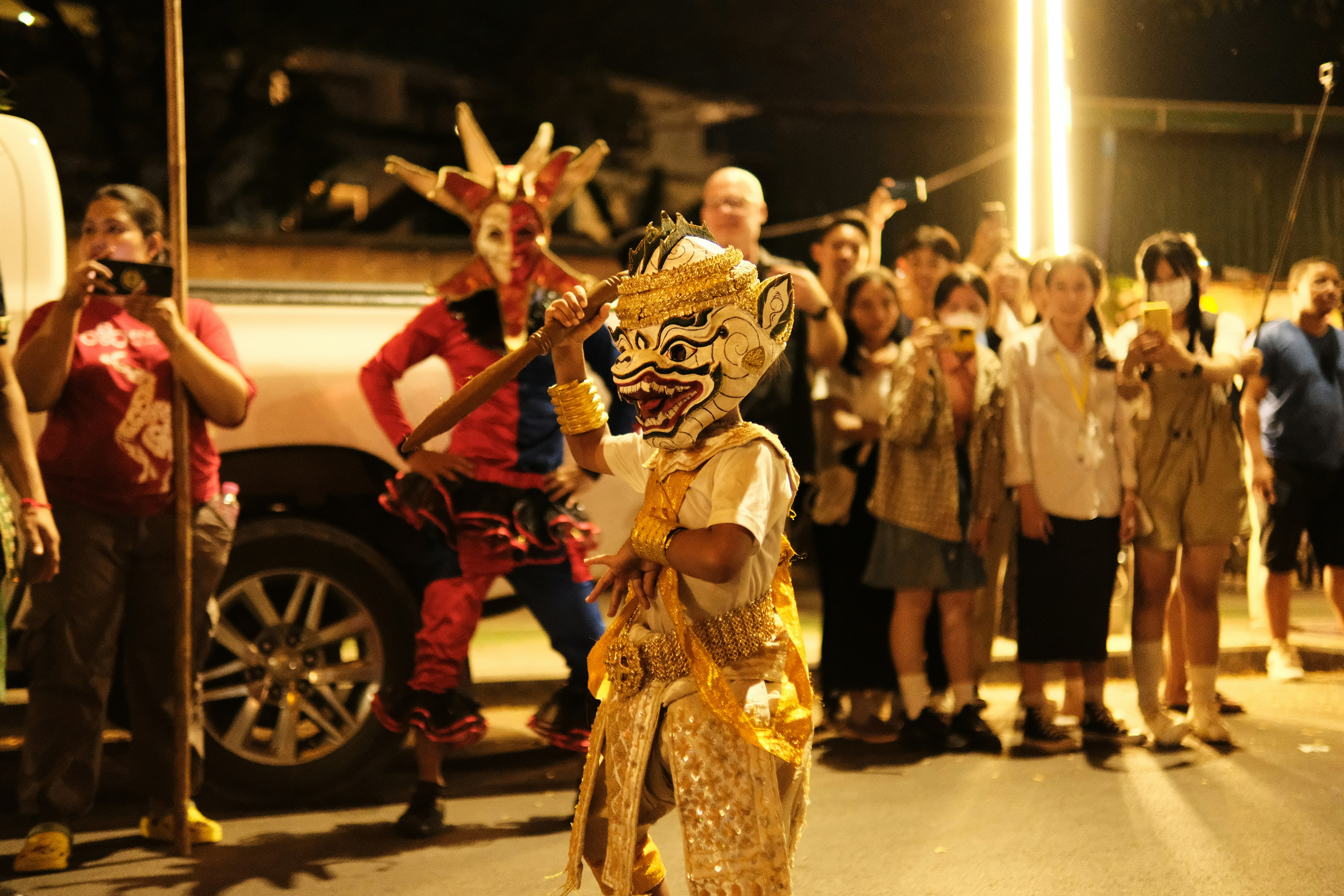
Apsara dance is one of Cambodia's most beautiful and iconic art forms. Based on the celestial dancers carved into the walls of Angkor Wat, it features intricate hand gestures, elaborate costumes, and movements of extraordinary delicacy.
Nearly destroyed during the Khmer Rouge era, Apsara dance has been painstakingly revived and is now performed regularly in Phnom Penh and Siem Reap. Attending a performance is a deeply moving experience.
Where to see it:
Phnom Penh: various restaurants and cultural centres offer evening performances
Siem Reap: Phare Circus and dedicated cultural shows near Angkor
────────────────────────────────────────────────────────────
Traditional Craftsmanship
The artisans of Cambodia are the direct inheritors of the craftsmen who built Angkor. The techniques have been passed down through generations — sometimes barely surviving — and today represent some of the most extraordinary handcraft traditions in the world.
Silk Weaving
Cambodian silk is among the finest in Asia. Traditional krama (the iconic checked Cambodian scarf) and sampot hol (a complex ikat-patterned silk used for ceremonial clothing) are woven on handlooms using techniques unchanged for centuries.
Stone Carving
Sculptors in Siem Reap and Phnom Penh continue to carve sandstone and wood in the Angkorian tradition — creating pieces that echo the temple carvings you see at the ancient sites.
Silver Jewellery
Cambodian silver jewellery has a distinct aesthetic rooted in Khmer mythology — intricate filigree work, mythical creatures (nagas, garudas), and geometric patterns inspired by temple carvings.
Lacquerware and Bamboo
Traditional lacquerware combines painted scenes from Khmer mythology with multiple layers of lacquer applied over bamboo or wood frames.
────────────────────────────────────────────────────────────
The Khmer New Year (Khmer Chaul Chnam Thmey)
Celebrated in April (usually 13-15 April), Khmer New Year is the most important festival of the year. Families reunite, temples are packed, and streets come alive with traditional games, music, and water fights.
It's one of the best times to experience Cambodian culture — joyful, colourful, and deeply communal.
────────────────────────────────────────────────────────────
Supporting Cambodian Culture
At Kabas Concept Store, we believe that the best way to honour Cambodian culture is to support the artisans and brands keeping it alive.
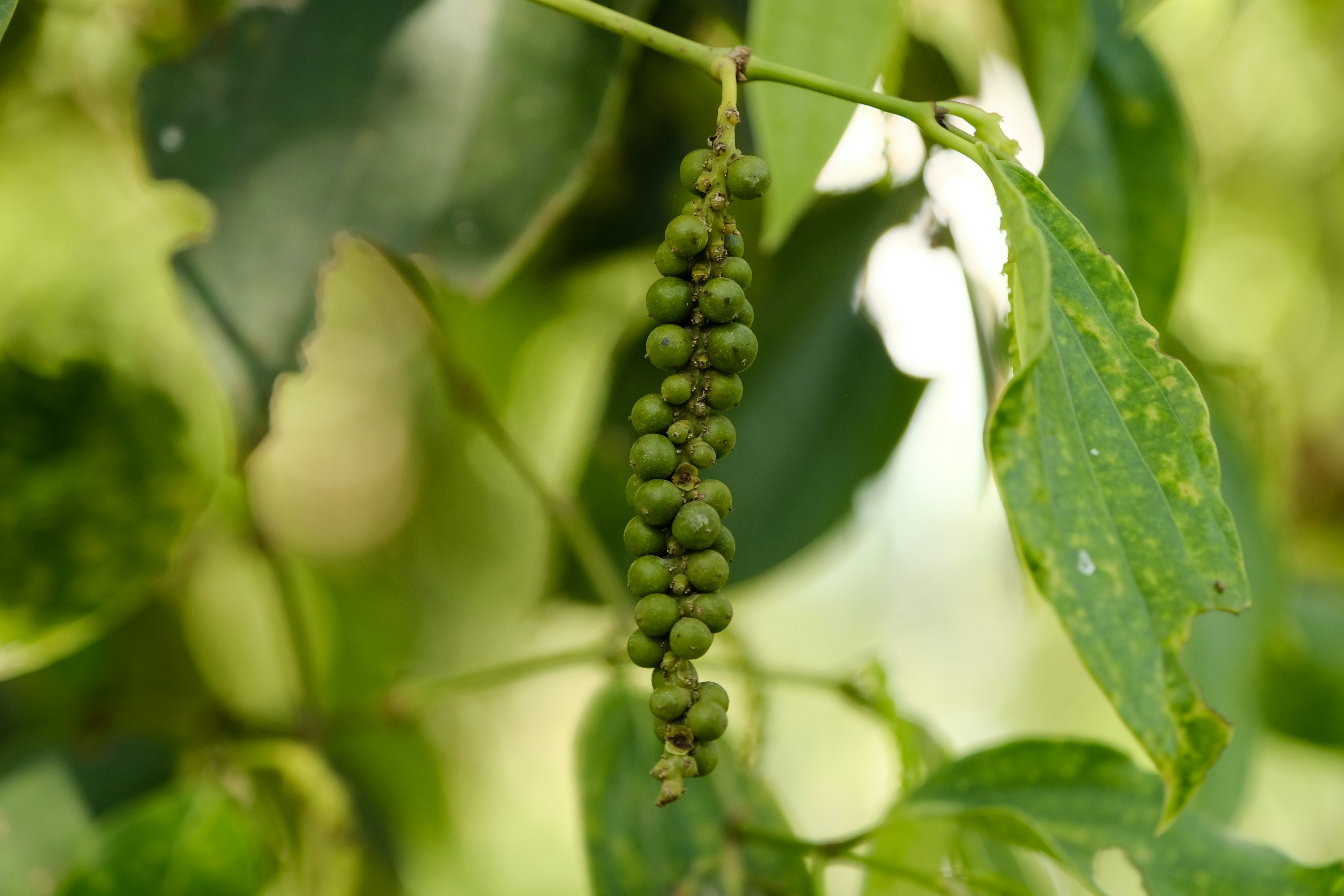
Our curated selection of over 40 local Cambodian brands includes handwoven silk scarves, silver jewellery, artisanal food products like Kampot pepper, and the Saysabok clothing collection — 100% designed and made in Cambodia.
Every purchase directly supports Cambodian makers and their communities.
Phnom Penh: #65 Street 178 | Siem Reap: 200 Pokambor Ave | Online: kabasconceptstore.com
────────────────────────────────────────────────────────────
Khmer culture is not a museum piece — it is alive, resilient, and constantly evolving. The more you engage with it, the more it gives back.
Khmer Culture: Understanding the Soul of Cambodia
Published on May 04, 2026
1 views
From Apsara dance to silk weaving, from Buddhist temples to silver jewellery — Khmer culture is one of Southeast Asia's richest traditions, and understanding it transforms how you experience Cambodia.
Angkor
archaeology
Cambodian islands
urban culture
local markets